
My Cart
Order Note


Mattress

Recliner Sofa

Chair

Desk

Elite Sofa

Massager

Recliner Bed

Pillows

Cushions

Bedding
Mattress
Recliner Bed
Recliner Sofa
Elite Sofa
Chair
Desk
Bedding
Pillow & Cushion
Massager
Mattress
Pillow & Cushion
Chair
Desk
Recliner Sofa
Recliner Bed
Elite Sofa
Bedding
Massager
Talk to Us
Get Help Choosing the Right Product

Stores near you
Find and visit our experience stores
Request a call back
Talk to our experts about our products
For your New Home
Find the perfect mattress - chat now


My Cart


Diwali brings lights, laughter, sweets, family gatherings and celebrations that stretch well past bedtime. But once the diyas are packed away and the last box of mithai is finished, you may be left with something less festive: festive fatigue.
Late nights can disrupt your sleep schedule. Hours spent shopping, decorating, cooking, hosting guests and running around doing things can leave your body tired. A packed social calendar can make getting back to everyday life feel harder than expected.
If you're wondering how to recover after Diwali celebrations, don't try to fix everything in one day. The best post-Diwali recovery starts with returning to a consistent sleep-wake schedule, getting daylight in the morning, staying hydrated, eating balanced meals, moving gently and creating time for genuine rest.
Your body needs a transition from festive mode back to everyday rhythm.
Festive season tiredness is often the result of several small disruptions happening at once: lack of sleep, late bedtimes, heavier meals, more social activity, increased screen time and more time spent on your feet.
Even a few nights of less than 8 hours of sleep can leave you feeling sleepy, irritable or less alert during the day. And catching up on sleep may help temporarily but does not reverse the effects of repeated sleep restriction.
That is why post-festive relaxation should be less about one marathon sleep and more about restoring the everyday habits that help you feel rested.
Here's how to get started.
One of the most common post-Diwali problems is trouble sleeping after back-to-back late nights.
Days of parties, family gatherings, fireworks, travel and late dinners can push bedtime several hours beyond normal. Do this for multiple nights and your usual sleep-wake rhythm can begin to shift.
Start with your wake-up time. Try to wake up at the same time every day, including the first weekend after festivities. Get natural daylight after waking and gradually return bedtime to your usual hour rather than forcing yourself into bed when you aren't sleepy.
Daylight is an important cue for regulating daily sleep patterns, and consistency in sleep and wake timing is considered important for health and performance.
A simple reset looks like this:
If you're searching for how to reset your sleep schedule, consistency matters more than trying to force a perfect sleep schedule immediately.
After several days of sweets, fried snacks, festive dinners and irregular mealtimes, your body needs a detox. Start simple, by drinking water regularly through the day and including hydrating foods such as fruit and vegetables. If you've been eating heavy meals late at night, you can start by having a light dinner at your usual time.
Instead of restricting food to compensate for Diwali indulgence, aim for balanced meals with vegetables, whole grains or other complex carbohydrates, protein and healthy fats.
The objective of post-Diwali recovery isn't punishment for enjoying the festival. It's simply to restore your regular rhythm.
If you've been up for several late nights, it can be tempting to sleep until noon, in the hopes that you wake up feeling restored.
Unfortunately, sleep recovery isn't quite that simple.
The most useful strategy is to get at least 8 hours of sleep consistently over the next few nights. A little extra sleep may reduce sleepiness, but one or two long nights don't necessarily undo accumulated sleep loss. Research on chronic sleep restriction indicates that complete recovery can take longer than a single weekend.
For better sleep after late nights, rebuild the conditions that make good sleep easier:
Keep your bedroom dark, quiet and comfortably cool. Reduce stimulating activities close to bedtime. Put your phone away, settle into a relaxing routine and give yourself enough time in bed for a full night's sleep.
Your sleep surface matters too. If your mattress leaves you tossing, turning or waking uncomfortable, consider whether it provides the support you need.
The Smart Ortho Pro Mattress from The Sleep Company combines SmartGRID® Technology with 7 Zone Orthopedic Support for head to toe support. SmartGRID® adapts around pressure points while providing firm back support, and its structure contains 2,500+ air channels to encourage airflow through the mattress.
A mattress cannot replace the sleep you've missed during Diwali, but a supportive sleep environment can make getting back to regular, restful nights easier.
Everything that goes into making Diwali special, like shopping trips, cleaning, decorating, cooking, travelling, hosting guests and standing for hours during celebrations, can leave your feet, calves, shoulders and back feeling tired.
If you're dealing with body ache after festivals, avoid immediately jumping into an intense workout because you feel you need to "make up" for festive food.
Gentle movement may feel better.
Try a comfortable walk, light stretching or mobility exercises. After days of constant activity, even deliberately sitting down and resting can be valuable.
A massager can be a useful relaxation tool for temporarily soothing tired or tense muscles, although it isn't a treatment for persistent or unexplained pain.
The Multipurpose Body Massager is a portable option for post-festive relaxation. It uses four rollers for Shiatsu-inspired kneading and rolling, along with gentle heat. It is cordless, rechargeable and designed for use across areas such as the back, shoulders and legs.
For a more immersive relaxation experience, the Full Body Massager offers full-body pressure-point coverage, Dual 4D Massage Technology, Zero Gravity recline and multiple massage modes.
Think of massage as part of your wind-down routine, not as a substitute for sleep or medical care. If pain is severe, persistent, follows an injury, or is accompanied by swelling or other concerning symptoms, seek appropriate medical advice.
After days of eating whenever celebrations allow, restoring regular meal timings can help everyday life feel normal again.
Try to keep dinner lighter if you've been having particularly rich meals, and leave some time between a large meal and bedtime.
Foods such as nuts, seeds, leafy vegetables, whole grains, bananas, dairy products and other minimally processed foods can all fit into a balanced post-festival diet.
And don't overcomplicate it.
You don't need a special "post-Diwali diet". Regular meals, adequate fluids and returning to your normal portions are generally more sustainable than fasting or restrictive cleanses.
If caffeine helped you power through festive mornings after late nights, start bringing that back under control too. Avoid relying on late-evening tea, coffee or energy drinks to fight tiredness, as doing so can make it harder to return to your normal bedtime.
Diwali doesn't only keep your social calendar busy. It keeps your phone busy too.
Photos. Family groups. Video calls. Reels. Sale notifications. Messages. More photos. And then scrolling through everybody else's photos.
Your body may be exhausted while your brain is still being fed a constant stream of stimulation.
For genuine relaxation after Diwali, give yourself a screen-free period before bed.
Put the phone away. Dim the room. Take a warm shower, read a few pages of a book, listen to calming music, stretch or simply sit quietly.
If you struggle with how to unwind after festivities, this can be one of the simplest places to start: remove stimulation rather than adding another complicated wellness ritual.
The transition from celebration to normal life can feel abrupt.
For several days, your evenings may have been filled with visitors, lights, music and conversation. Then suddenly, it's Monday again.
Instead of expecting your brain to switch from celebration to sleep instantly, create a small buffer.
Your post-festive relaxation routine might include a shower, ten minutes of stretching, a gentle massage, a cup of caffeine-free tea or some quiet reading.
Then make your bed somewhere you actually look forward to returning to.
If your pillow is due for an upgrade, the Smart Luxe Hybrid Pillow uses SmartGRID® Technology with 1,000+ air channels and is designed to adapt around the head and neck while distributing pressure. Different loft options cater to different sleeping positions.
The goal isn't to create an elaborate two-hour sleep routine. It's to repeat a few simple cues that tell your mind: celebrations are over for today, and it's time to rest.
It can help with sleepiness, but it isn't a complete solution for repeated sleep loss.
Research suggests that weekend catch-up sleep may provide some short-term improvement in fatigue, mood or performance, but it may not fully compensate for accumulated sleep debt. Maintaining sufficient and reasonably consistent sleep remains the better long-term approach.
So if Diwali involved several nights of reduced sleep, don't think of recovery as:
Sleep badly for five nights → sleep for 12 hours → feel completely recovered.
Instead think:
Return to regular sleep → repeat → allow your body time to readjust.
There isn't one universal number. Recovery depends on how much sleep you've missed, for how long and your individual sleep needs. Research into chronic sleep restriction suggests that one or two recovery nights may not be enough to fully restore performance after sustained sleep loss.
If it was simply one unusually late Diwali night, you may feel normal relatively quickly. If your entire festive week involved consistently short nights, give your body several nights of adequate sleep rather than expecting an instant reset.
Not all festive fatigue is physical.
Weeks of planning followed by shopping, decorating, gifting, hosting and socialising can leave you mentally drained once everything stops.
Give yourself permission to have a quieter day.
You might tidy up slowly instead of trying to reset the entire house at once. Take a walk without your phone. Journal about the celebrations. Spend an evening without plans.
A few minutes of slow breathing or meditation can also create a deliberate break between a busy day and bedtime.
Post-Diwali recovery isn't about doing more recovery activities. Sometimes it's about finally doing less.
Don't try to restart every healthy habit simultaneously.
Begin with the anchors of your day: wake time, meals, movement and bedtime. Once those feel normal again, everything else tends to become easier to organise.
The morning after the festivities, wake reasonably close to your regular time. Get some daylight. Eat at your normal mealtimes. Fit in a walk or some gentle movement. Start winding down at your regular hour.
Your first workout doesn't have to be your hardest. Your first workday doesn't have to compensate for everything you missed. And your first night back doesn't need to deliver perfect sleep.
Routine works because you repeat it.
If you're tired and don't want another long wellness checklist, keep your post-Diwali recovery simple:
There is no magic hack for how to recover from lack of sleep. The fastest sustainable route back to feeling rested is usually to give your body what the festive period interrupted: sufficient sleep, consistency, movement, regular meals and genuine downtime.
Start by getting back to your normal routine. Keep a consistent wake time, get daylight during the day, hydrate regularly, return to balanced meals, move gently and prioritise adequate sleep for the next several nights. If your muscles feel tired after shopping, decorating or standing for long periods, stretching, rest or gentle massage may also help you relax.
Festive fatigue can come from a combination of late nights, reduced sleep, altered meal times, travel, prolonged standing, social activity and a disrupted daily routine. The accumulated effect can leave both your body and mind feeling tired even after the celebrations end.
Set a consistent wake-up time, get natural light after waking and gradually return to your normal bedtime. Keep evenings calmer and darker, limit late caffeine and avoid repeatedly sleeping very late into the morning. Consistent sleep timing is an important part of restoring your normal sleep-wake rhythm.
Return to getting sufficient sleep consistently rather than relying on a single marathon sleep. Extra sleep may reduce immediate sleepiness, but research indicates that one or two recovery nights may not fully reverse the effects of sustained sleep restriction.
There is no fixed recovery time. It depends on the amount and duration of sleep loss as well as individual factors. A single late night is different from a week of restricted sleep, and research suggests recovery from chronic sleep restriction can require more than one or two nights.
Weekend catch-up sleep may reduce tiredness in the short term, but it should not replace adequate nightly sleep. Evidence suggests weekend recovery alone may not completely compensate for repeated sleep restriction.
There is no instant substitute for sleep. For the quickest practical reset, prioritise adequate sleep, return to a consistent wake time, get morning daylight, hydrate, eat normally and reduce unnecessary commitments for a day or two. Avoid trying to compensate with excessive caffeine.
Rest, gentle stretching and light movement can help with ordinary muscle tiredness after long periods of standing. A gentle massage may also provide temporary relaxation for tired muscles. Persistent, severe or unexplained pain should be assessed by an appropriate healthcare professional.
A massager won't replace sleep or treat the underlying effects of sleep deprivation, but it can be part of a relaxing routine for tired or tense muscles. The WaveX Multipurpose Body Massager, for example, combines kneading rollers with gentle heat and is designed for areas such as the back, shoulders and legs.
Reduce stimulation rather than filling your schedule with more activities. Take a break from screens, go for a gentle walk, stretch, have a warm shower, use a massager if you enjoy massage, read or spend some quiet time before bed. Keep the routine simple enough to repeat.
Start with four anchors: your wake-up time, meals, movement and bedtime. Restore these first instead of trying to overhaul your entire routine in one day. A gradual return to familiar timings can make the transition from holiday mode to everyday life feel less abrupt.
Diwali celebrates light, connection and new beginnings. Your days immediately afterwards don't need to be another test of endurance.
If you're dealing with festive season tiredness, start small. Reset your sleep schedule. Drink enough water. Give your aching muscles a chance to rest. Put your phone away a little earlier. And, most importantly, make room for sufficient sleep.
Relaxation after Diwali isn't about recovering everything you've lost overnight. It's about giving your body the right conditions to recover naturally over the days that follow.
A supportive sleep environment can be part of that reset. Explore The Sleep Company's SmartGRID® mattresses, pillows and massagers to build a recovery routine around better rest and everyday relaxation.
Because after celebrating the Festival of Lights, sometimes the best way to recharge is simply to switch off.


Setting up a home theatre in an Indian apartment is one of those projects where most people...
Read More
That ₹1.8 lakh projector setup looked perfect on paper. Dolby soundbar, blackout curtains, 100-inch screen in the...
Read More
Something shifted in the Indian home theatre market around late 2025. Screen sizes plateaued. Most buyers settled...
Read More
Most people spend weeks agonising over the right projector. They compare speaker systems late into the night,...
Read More
Walk into any physiotherapy clinic in Bengaluru or Mumbai and two distinct groups show up. The post-surgery...
Read More
A shiatsu foot massager applies traditional Japanese massage principles through motorised mechanisms. Rotating nodes press into foot...
Read More
Best Back Massager Machines: Shiatsu vs Regular Back Massagers Back pain does not announce itself politely. One...
Read More
Shiatsu Massage: Complete Guide to Techniques, Benefits and How Modern Massagers Use It Finger pressure. That is...
Read More
Types of Recliners: Complete Guide to Choosing the Right Recliner for Your Home Types of recliners with...
Read More
Shiatsu Massage: Complete Guide to Techniques, Benefits and How Modern Massagers Use It Finger pressure. That...
Read More
Sleeping Positions: What Works, What Hurts, and What Actually Helps Same position every night. You curl up...
Read More
Adults who experience fear of sleeping alone rarely talk about it, yet the condition affects more people...
Read More
Sleep trackers have made one thing obvious: the heart rate at night behaves differently from what most...
Read More
10 Amazing Foot Massager Benefits: Why You Need One Daily Most people ignore their feet until something...
Read More
Your Complete Guide to Multipurpose Massagers Picture this: you've just wrapped up a 12-hour workday, your shoulders...
Read More
How to Use a Foot Massager & Top 5 Mistakes to Avoid Your feet carry you through...
Read More
Massager Gifts for Relaxation: Your Complete Guide to Thoughtful Wellness Presents Trying to find a gift that...
Read More
The Benefits of a Full Body Massager: Stress Relief, Pain Reduction & Better Circulation Most people don't...
Read More
Foot Massager vs Spa Pedicure: Which Is Actually Better for Your Feet? The debate between foot massagers...
Read More
Human feet carry roughly 8,000-10,000 steps daily. Over a lifetime, that translates to about 185,000 kilometres—circling Earth...
Read More
Walk into any office around 4 PM. You'll spot at least three people rubbing their necks, two...
Read More
In today’s fast-paced world, stress and physical fatigue have become part of our daily routine. Long hours...
Read More
Diwali isn’t just the festival of lights; it’s the festival of laughter echoing through hallways, the fragrance...
Read More
Diwali, or Deepawali, is one of India’s most beloved festivals, celebrating light, togetherness and the triumph of...
Read More
Diwali is a time to brighten our homes, welcome loved ones and make everyday spaces feel special....
Read More
Diwali is a time to refresh our homes, from deep-cleaning forgotten corners to organising cupboards and preparing...
Read More
Navratri is not just a festival, it is nine nights of joy, devotion and rhythm. Streets are...
Read More
The Complete Home Reset Before Diwali: Commencing with Your Sleep Haven As we are reaching closer to...
Read More
Onam is more than a festival. Its a beginning and a transformative period for so many people....
Read More
The festive season is right around the corner, and with it comes the joy of welcoming Bappa...
Read More
From the humming of late-night traffic and cars to the glowing street lights and billboard signs, metro...
Read More
Good food is a good mood. This is true in every aspect. Our food choices impact our...
Read More
India has around 87.5 million cases of low back pain. This staggering number is because of a...
Read More
We don't really think much about our coccyx or tailbone, do we? At least not until we...
Read More
We all want our mornings to be exactly like they show in movies, don't we? The kind...
Read More
On February 28 this year, the India Meteorological Department warned us of yet another year of extreme...
Read More
IPL 2025 is just around the corner, but the preparation for the same goes on all year...
Read More
On the pitch with their heads held high, the Mumbai Indians team is a dominant force in...
Read More
The pitch is set, the players have prepared and the Indian Premier League (IPL 2025) is ready...
Read More
Did you know? Your spine is made up of 33 individual vertebrae at birth. However, as you...
Read More
AI is not just limited to GPT or your smartphone's virtual assistant. Infact, mattresses are also getting...
Read More
Our bedrooms are more than just a place to sleep, aren't they? For some, it’s a space...
Read More
Stress has become the norm today. Maybe it’s because of the digital era we live in or...
Read More
Wondering what to do with your old mattress? We have all been there! But disposing of it...
Read More
Got a housewarming invite? Now comes the big question—what to gift? The best gifts are those that...
Read More
Did you know? Your baby's sleeping position affects the pattern of early motor development. Prone sleepers attain...
Read More
Your sofa isn't just a piece of furniture but it's almost like your personal catch-up spot. The...
Read More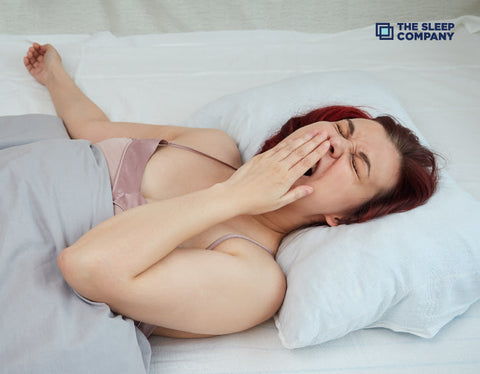
Did you know? 64% of Indians don't sleep enough. While chronic sleep deprivation has become a common...
Read More
From the outside, a desk job looks like a dream job. You spend your day sitting on...
Read More